Neoliberalism

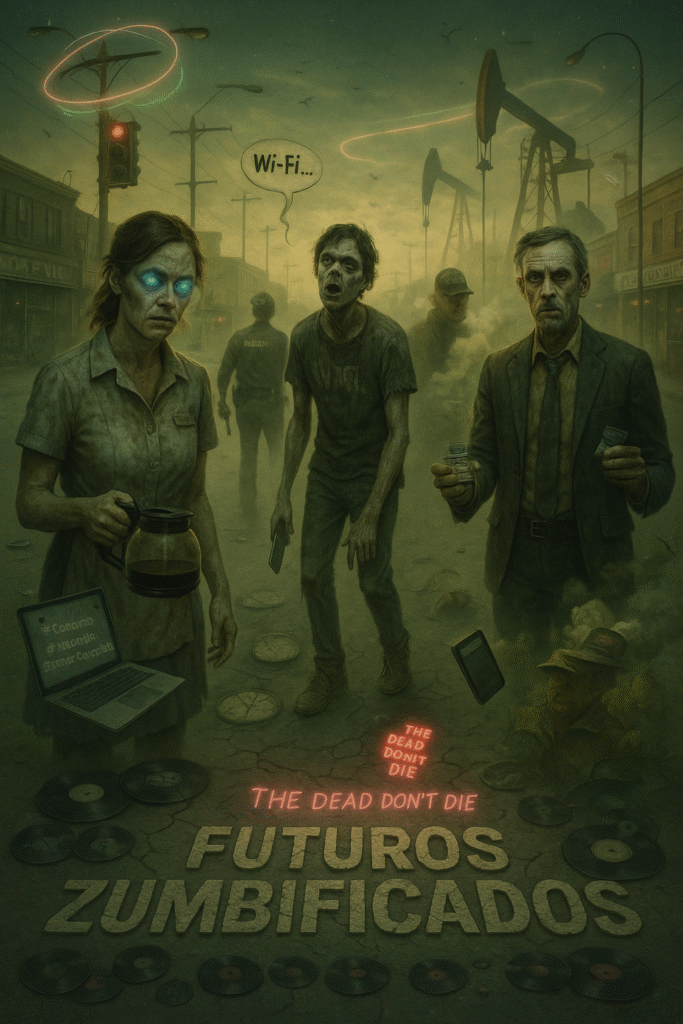
Zombies of Late Capitalism: Hauntology, Lost Futures, and Eco-Social Critique in Jim Jarmusch’s The Dead Don’t Die

In Jim Jarmusch’s The Dead Don’t Die (2019), the director does not resurrect zombies—he exposes the necrotic corpses we had grown accustomed to ignoring. Set in Centerville, a fictional town whose very name feels like a ready-made joke (“Center” of nowhere), the film’s undead do not rise by accident. They are summoned by polar fracking, a drilling operation […]

Zombies of Late Capitalism: Hauntology, Lost Futures, and Eco-Social Critique in Jim Jarmusch’s The Dead Don’t Die Read More »

The Haunted Present: Mark Fisher and the Cultural Logic of Capitalist Realism

The Cultural Critic Who Saw Through the Veil Mark Fisher (1968-2017) became one of the most incisive cultural theorists of the early 21st century, offering a critical perspective that connected cultural production, political economy, and collective psychology. As a writer, philosopher, cultural critic, and educator at Goldsmiths, University of London, Fisher developed theoretical frameworks that

The Haunted Present: Mark Fisher and the Cultural Logic of Capitalist Realism Read More »

What Aesthetic Characteristics Are Recurrent in Digital Art Produced Within Neoliberal Markets?

Under the aegis of neoliberal markets, digital art emerges as a terrain of pulsating tensions. More than a mere reflection, it is a field of forces where algorithms and market interests intertwine, shaping works that balance technological euphoria with a critique that is sometimes hesitant. Interactivity, programmed obsolescence, and the allure of virtual luxury converge

What Aesthetic Characteristics Are Recurrent in Digital Art Produced Within Neoliberal Markets? Read More »

How Does Digital Art Reflect and Challenge Neoliberal Subjectivity, Marked by Individualism, Competition, and the Logic of Consumption?

Across the expansive terrain of digital art, a multifaceted mirror rises, reflecting the dazzling yet shadowy contours of neoliberal subjectivity. In this space where algorithms converge with creativity, artists shape the tensions of amplified individualism, insatiable competition, and the consumptive logic that defines our era. As they navigate the traps of digital platforms, these artists

How Does Digital Art Reflect and Challenge Neoliberal Subjectivity, Marked by Individualism, Competition, and the Logic of Consumption? Read More »

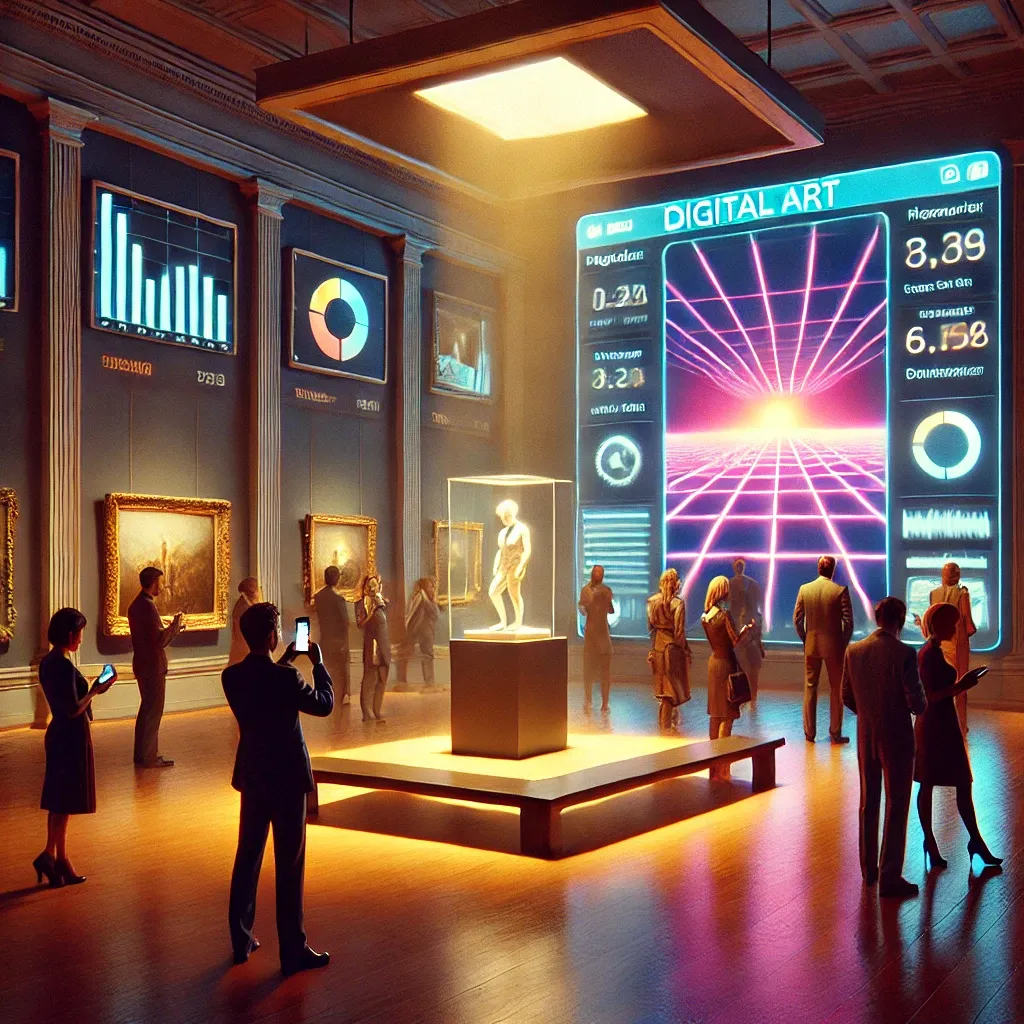
Does the Presence of Digital Art in Museums Contribute to Its Legitimization and Valorization or Reinforce the Neoliberal Logic of Spectacularization and Consumption?

The inclusion of digital art in contemporary museums provokes both celebration and skepticism, highlighting the complexities and contradictions of its legitimization within the cultural field. On one hand, museums provide digital art with a platform for recognition, helping to consolidate it as a legitimate form of artistic expression. On the other hand, the way these

Does the Presence of Digital Art in Museums Contribute to Its Legitimization and Valorization or Reinforce the Neoliberal Logic of Spectacularization and Consumption? Read More »

What Are the Implications of the Financialization of Art for the Production and Circulation of Digital Art?

Digital art, with its fluidity and adaptability, should be a fertile ground for creative experimentation and global sharing. However, under the dominance of the neoliberal market, it becomes yet another speculative asset, packaged and sold as “exclusive.” The financialization of digital art manipulates its essence to meet the demands of the financial market, creating a

What Are the Implications of the Financialization of Art for the Production and Circulation of Digital Art? Read More »