Digital Colonialism

Hifa Cybe and Digital Colonialism: A Critical Analysis

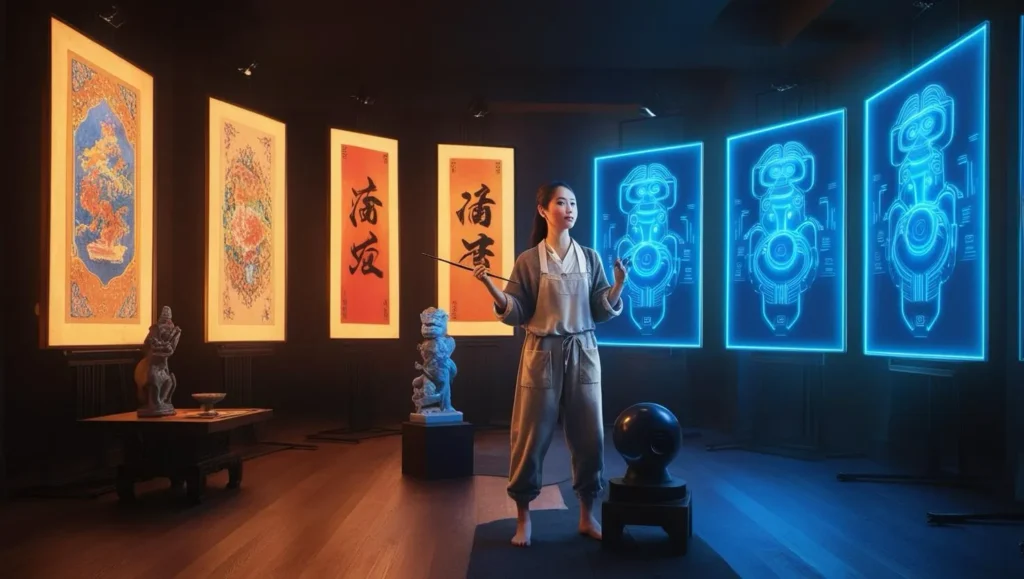
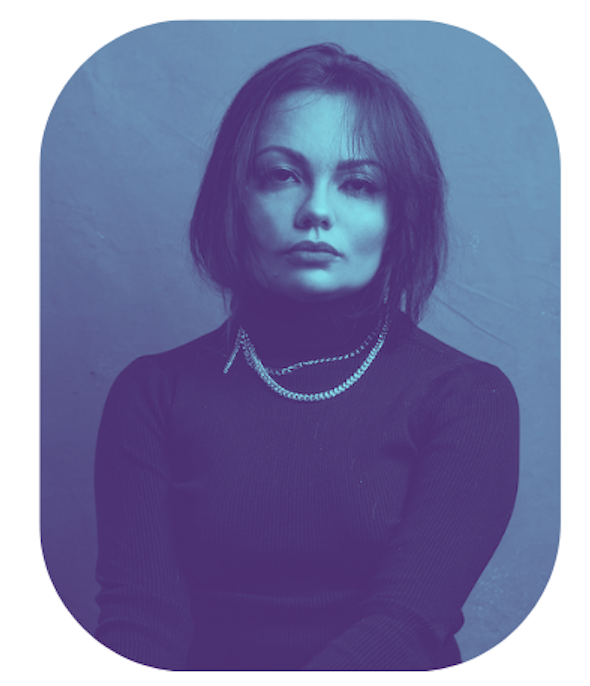
Hifa Cybe, also known as Luiza Jesus do Prado, is a Brazilian transdisciplinary artist whose work lies at the complex intersection of art, science, and politics. Born in Guaratinguetá, São Paulo, in 1988, and currently residing in the state capital, Cybe employs various artistic tools to explore themes such as memory, decolonization, marginalization of femininity, […]

Hifa Cybe and Digital Colonialism: A Critical Analysis Read More »

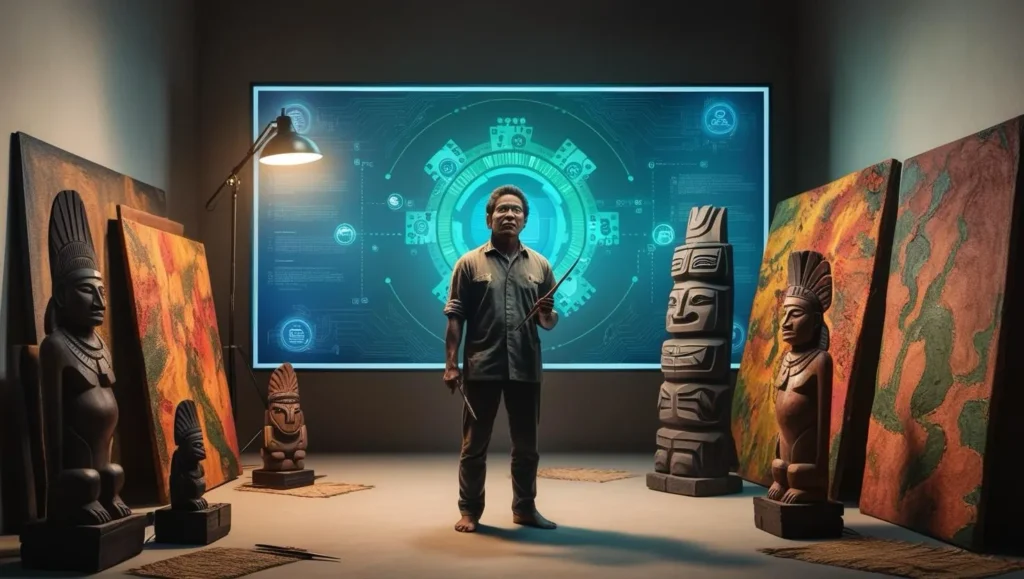
Denilson Baniwa and Digital Colonialism: Art, Resistance, and Decolonization

Denilson Baniwa, an artist-activist born in the Darí village in the heart of the Amazon, embodies techno-ancestral intervention in the world of contemporary art. His work, spanning painting, performance, activism, and curatorship, engages in a dialogue that echoes through time, intertwining the ancestral traditions of his people with present-day digital tools. Baniwa wields art as

Denilson Baniwa and Digital Colonialism: Art, Resistance, and Decolonization Read More »

Subaltern Poetics: A Critical Analysis of Power Relations in Contemporary Art

Within the evolving discourse of contemporary aesthetic theory, the epistemological framework of Subaltern Poetics constitutes a vital theoretical intervention that problematizes conventional paradigms of power relations and representational practices in contemporary art, while simultaneously interrogating the ontological assumptions underlying traditional artistic hierarchies. This theoretical framework derives from the intersection between the Aristotelian notion of poetics

Subaltern Poetics: A Critical Analysis of Power Relations in Contemporary Art Read More »

How Are Local and Indigenous Cultures Impacted by Digital Colonialism in Art?

In a world where algorithms dictate trends and art is translated into pixels, digital colonialism emerges as the new face of old habits. Beneath the promising glow of global technologies, local and Indigenous cultures face a subtle yet persistent erasure. Is digitalization the promise of democratization, or just a recycled version of ancient power dynamics?

How Are Local and Indigenous Cultures Impacted by Digital Colonialism in Art? Read More »

How Is the Monetization of Digital Art Connected to Digital Colonialism?

The monetization of digital art is deeply linked to digital colonialism, reflecting the dynamics of data exploitation, the imposition of Western cultural values, and technological hegemony. While technology promises democratization and creative opportunities, it often reinforces historical inequalities, transforming the digital space into an extension of colonial and capitalist practices. Data Exploitation and Surveillance CapitalismData

How Is the Monetization of Digital Art Connected to Digital Colonialism? Read More »

What Are the Ethical Challenges Faced by Artists in the Context of Digital Colonialism?

In digital colonialism, artists face a complex set of ethical challenges that reflect the power dynamics and exploitation embedded in digital platforms and technologies. While digital tools offer opportunities for innovation, they often perpetuate historical inequalities, placing artists — particularly from marginalized cultures — in vulnerable positions. Key Ethical Challenges Cultural AppropriationOne of the most prevalent

What Are the Ethical Challenges Faced by Artists in the Context of Digital Colonialism? Read More »

Can Digital Art Be a Form of Resistance to Digital Colonialism?

Yes, digital art can become a compelling force to resist digital colonialism. While digital colonialism perpetuates historical structures of domination, marginalizing non-Western voices and cultures, digital art offers creative opportunities to question and subvert these dynamics. Resisting Digital Colonialism Through Art Reusing Colonial ArchivesArtists from historically colonized regions, such as Southeast Asia, are repurposing colonial

Can Digital Art Be a Form of Resistance to Digital Colonialism? Read More »

What is the role of artificial intelligence in digital colonialism and artistic creation?

Artificial intelligence (AI) does not merely shape the contemporary digital world; it transforms it into a battleground where hegemony and resistance coexist. Under the guise of innovation, AI alternately reinforces globally unequal power structures or emerges as an ally of creative movements challenging these dynamics. Its role is, therefore, deeply ambiguous and riddled with contradictions.

What is the role of artificial intelligence in digital colonialism and artistic creation? Read More »

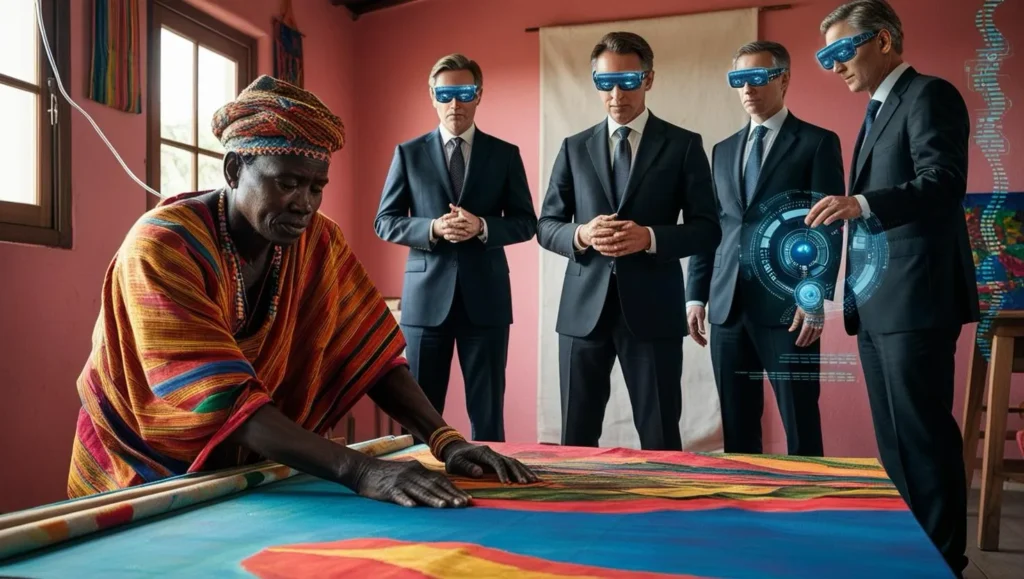
What Are the Impacts of Digital Colonialism on Artists from the Global South?

In the galaxy of the internet, where algorithms are the new colonizers, artists from the Global South face a fresh wave of conquest: digital colonialism. Beneath the shiny guise of “technological inclusion,” lies a dynamic that echoes the historical inequalities of traditional colonialism. Instead of ships and flags, it’s now servers and digital platforms shaping

What Are the Impacts of Digital Colonialism on Artists from the Global South? Read More »

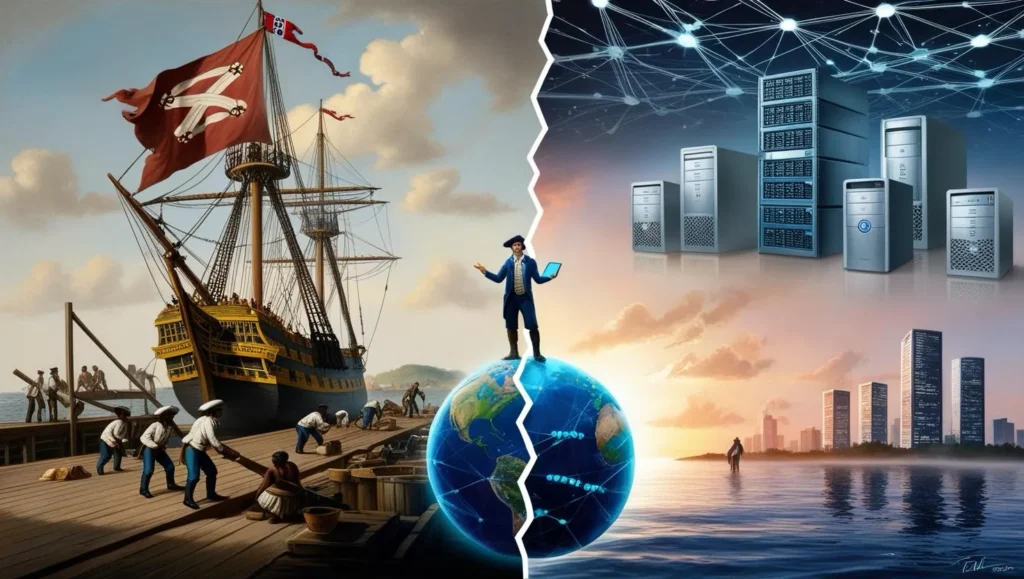
What is the difference between historical colonialism and digital colonialism?

Digital colonialism and historical colonialism share dynamics of power and exploitation but operate within different contexts and mechanisms. Both, however, carry the hallmark of a capitalist project of domination and accumulation. Historical Colonialism Historical colonialism, which gained momentum in the 15th century, involved territorial conquest, the exploitation of natural resources, and the control of the labor of indigenous

What is the difference between historical colonialism and digital colonialism? Read More »